

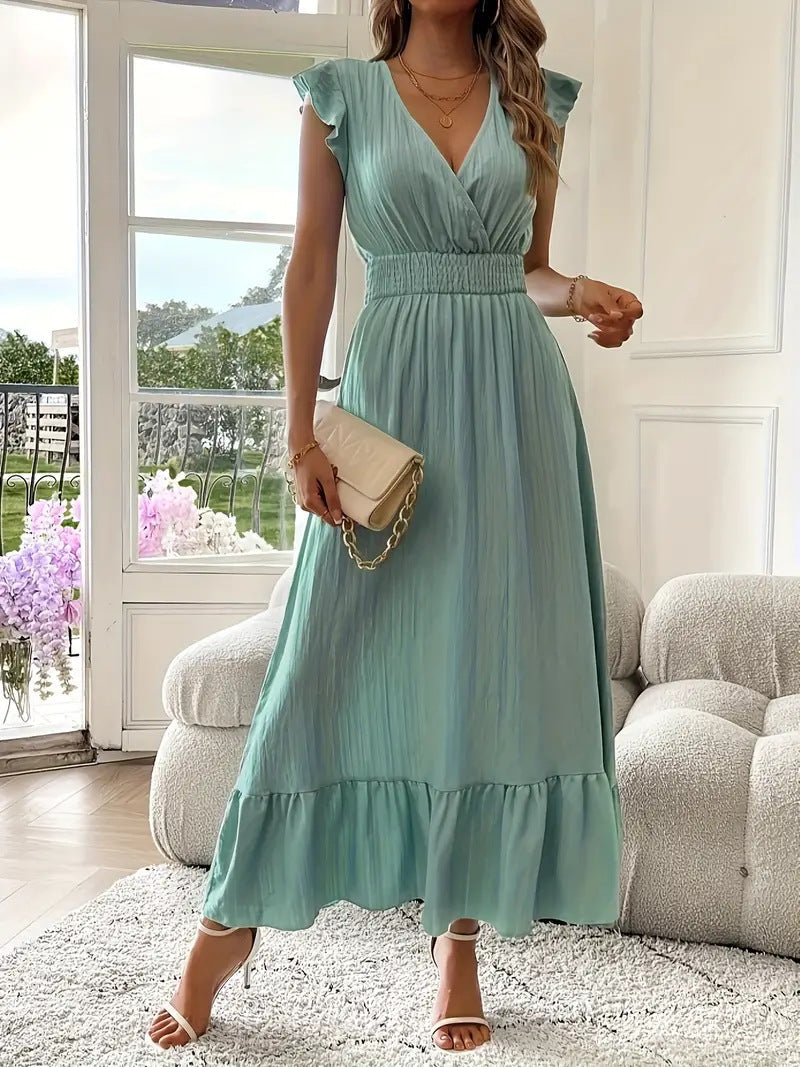
Dresses With Sleeves for Women Over 50: Coverage Without the Bulk
Most women looking for a dress with sleeves aren't looking for more fabric. They're looking for a dress that covers the upper arm and still feels light — and those two things are decided by the cut of the sleeve, not the amount of it.
Here is how the sleeve lengths compare, and the one fit rule that matters more than the length you pick.
The Fit Rule That Decides Everything
A sleeve should skim the arm, never grip it. A sleeve that presses in creates a line across the arm and draws the eye straight to it — which is the opposite of what it was chosen for.
This is also why sizing up rarely works. A larger dress gives you a wider sleeve and a wider body, and the result reads as a bigger dress rather than better coverage. If a dress fits everywhere but the arm, the sleeve cut is wrong for you — not the size.
The Sleeve Lengths, Compared
Flutter sleeve
A short, loose sleeve that falls away from the arm. Covers the shoulder and the top of the arm, adds no warmth at all, and is the coolest option in summer. Best for anyone who wants coverage without a fitted sleeve anywhere near the arm.
Short sleeve
Ends mid-upper-arm. Fine if it's cut loose; the one to check most carefully, because a fitted short sleeve is where the gripping problem usually shows up.
Elbow-length sleeve
The most useful everyday length. Full coverage of the upper arm, no heat trapped at the wrist, and it doesn't get in the way when you're cooking, driving or carrying things.
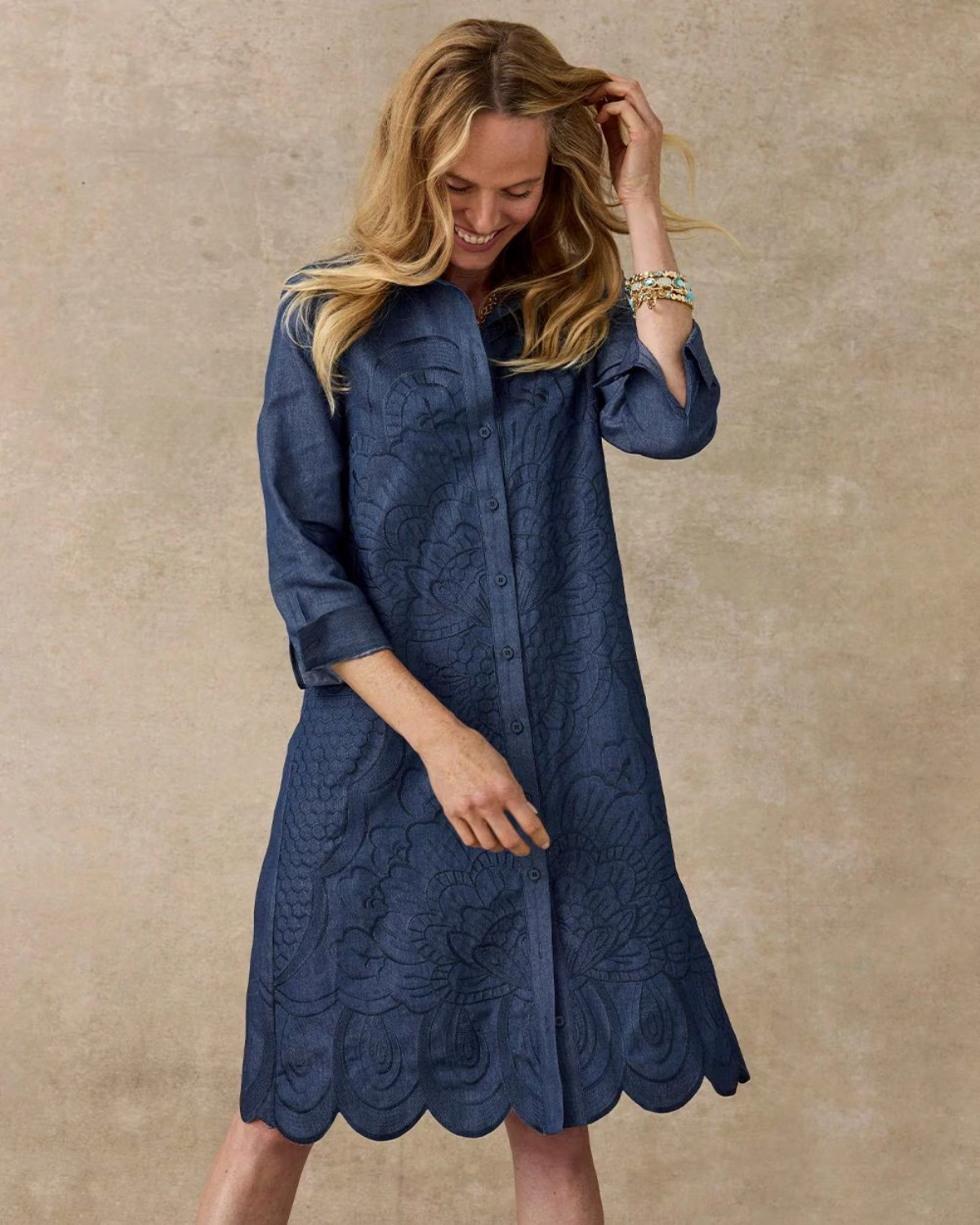
Three-quarter sleeve
Ends between the elbow and wrist. The most flattering length for occasion dresses — it covers the arm, shows the narrowest part of the forearm, and keeps its shape in photographs.
Long sleeve
Right for fall and winter, and for formal evening dresses. Check the shoulder seam sits where your shoulder actually ends; a dropped seam on a long sleeve makes the whole upper body look wider.
Fabric Matters as Much as Cut
- Fabric with drape — viscose, crepe, soft cotton blends — falls away from the arm instead of clinging.
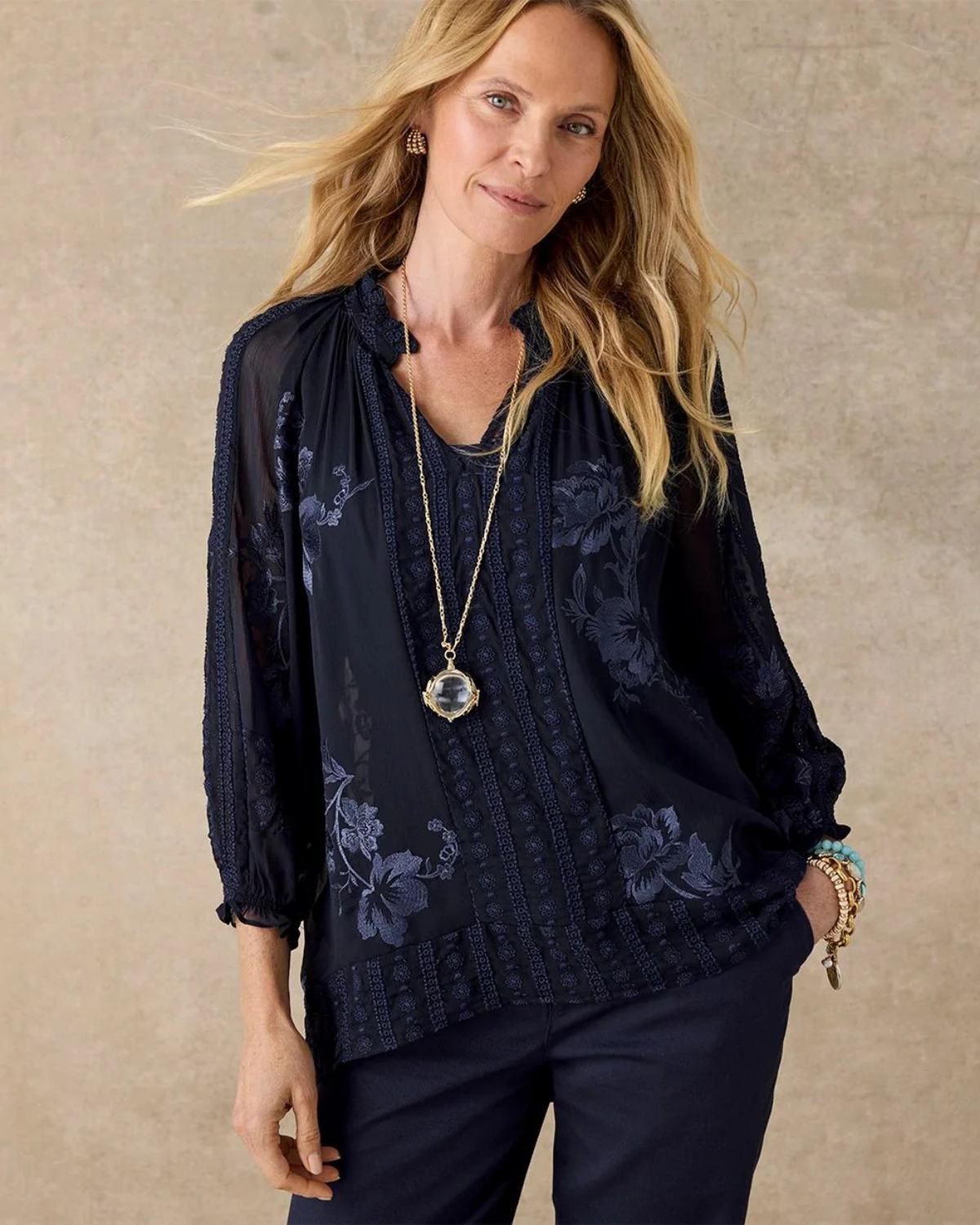
- Lace and chiffon sleeves give coverage that still lets air through, which is why they work at summer weddings.
- Stiff or shiny fabric holds its own shape and can stand away from the arm awkwardly.
- Avoid a heavy rib knit sleeve on a lightweight dress — the weight difference pulls the shoulder down.
When You Love a Sleeveless Dress
You don't have to give it up. Two things work:
- A fine-knit cardigan in the same color family as the dress. Matching the tone makes it read as part of the outfit rather than a cover-up.
- A lightweight knit wrap over the shoulders — the option that works when the ceremony is outdoors and the reception is not.
By Occasion
- Everyday. Elbow-length on a soft everyday dress — the one you'll reach for without thinking.
- Warm weather. Flutter sleeve on a maxi, in a loose weave.
- Occasions and weddings. Three-quarter or lace sleeve on a midi dress.
- Fall and winter. Long sleeve, or a sleeveless dress layered over a fine long-sleeve top.
Frequently Asked Questions
What sleeve length is most flattering after 50?
Three-quarter for occasions and elbow-length for everyday. Both cover the upper arm and end where the arm is narrowest.
Should I size up to get a looser sleeve?
No. Sizing up widens the whole dress and makes it look larger rather than more covered. Look for a different sleeve cut instead.
Are cap sleeves a good option?
Usually not, if coverage is the goal — a cap sleeve stops at the widest part of the upper arm, which is exactly where the eye lands. A flutter sleeve gives the same lightness and covers more.
Can I wear sleeves in summer without overheating?
Yes, if the sleeve is loose and the fabric is a loose weave. Airflow matters more than how much skin is covered.
Start Here
Browse the full dress collection, or narrow to midi and maxi dresses. For more on fit and silhouette, read comfortable dresses for women over 60 and flattering dresses for women over 40.
Leave a comment
This site is protected by hCaptcha and the hCaptcha Privacy Policy and Terms of Service apply.