

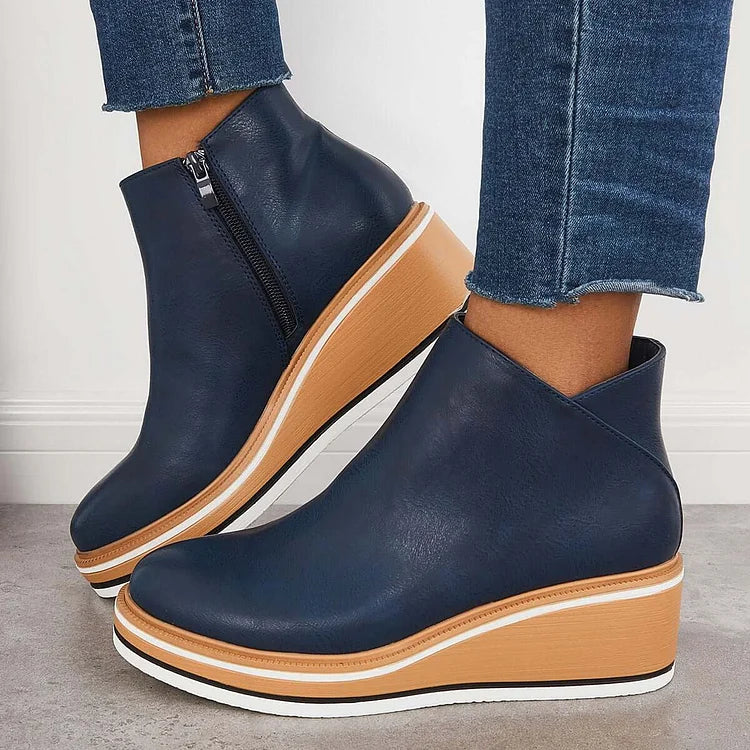
How to Choose Comfortable Ankle Boots You Can Wear All Day
An ankle boot is the shoe that carries most of fall, which means it gets worn far longer in a day than the sandal it replaces. Most of the discomfort people blame on boots in general comes from four specific things, and all four are visible before you buy.
Here's what to check, and what to wear them with once you have them.
Heel Height and Heel Shape
Height matters less than shape. A two-inch block heel is more stable, and usually more comfortable over a full day, than a one-inch heel on a narrow base.
- Flat or low block (0-1.5 in). Errands, travel, long days standing.
- Block or wedge (1.5-2.5 in). The sweet spot — it lifts the arch slightly, which many people find easier than a completely flat sole.
- Stacked heel above 3 in. Fine for an evening, not for a day on your feet.
A wedge spreads your weight across the whole sole rather than concentrating it on the ball of the foot, which is why it's often the most comfortable heel in the boot collection.
Shaft Height Decides How It Looks and Feels
The shaft is the part that comes up the leg. Where it ends changes both comfort and proportion.
- Below the ankle bone. Most comfortable, least likely to rub, and the safest with a dress.
- At the ankle bone. Check it doesn't press on the bone itself when you flex — this is the single most common source of boot pain.
- Above the ankle. Warmer and more secure, but it cuts the leg at a higher point, so it works best with a pant that covers the top of the boot.
What's Underfoot
Look for a footbed with a defined arch rather than a flat board, a sole with some thickness to it, and a bit of give when you bend the shoe at the ball of the foot. A boot that won't flex at all forces your foot to fight it with every step.
If you're on your feet for hours at a time, the same rules apply as in our guide to shoes for standing all day — cushioning and arch support matter more than the upper.
Fit Problems and What Solves Them
- Wide feet. A side zip or elastic panel gives width where a fixed upper can't. Suede and soft leather relax; patent doesn't.
- High instep. A zip that runs the full length of the shaft, or a lace-up, so you can open it fully to get in.
- Narrow ankles. Pull-on and elastic styles gape; a zip or buckle closes the gap.
- Swelling through the day. Try boots on in the afternoon, not the morning, and choose an adjustable closure.
What to Wear Them With
With pants
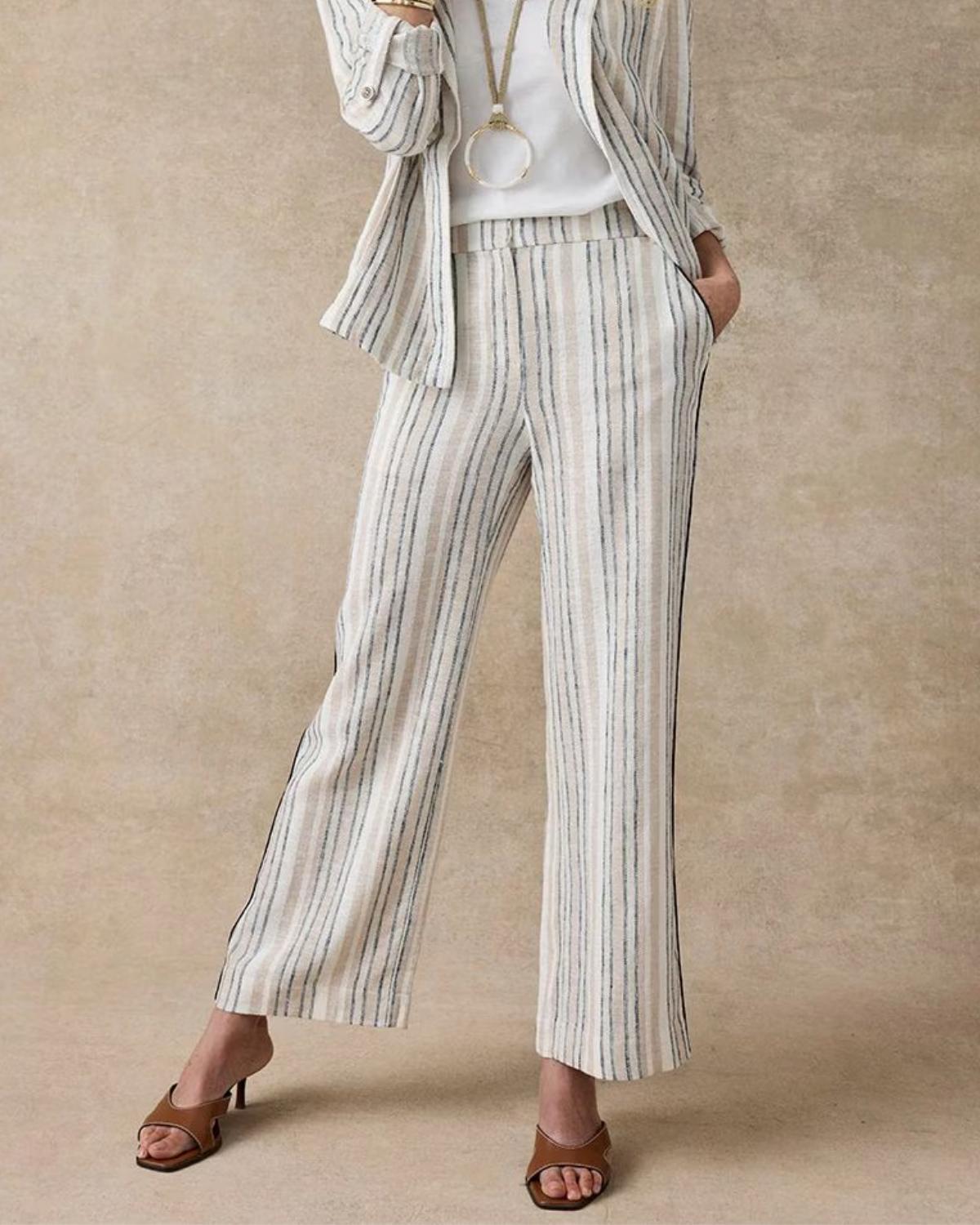
The hem should reach the top of the boot or cover it. A gap of bare ankle between the trouser and the boot shortens the leg. Wide leg pants work if they're long enough to fall over the shaft.
With dresses
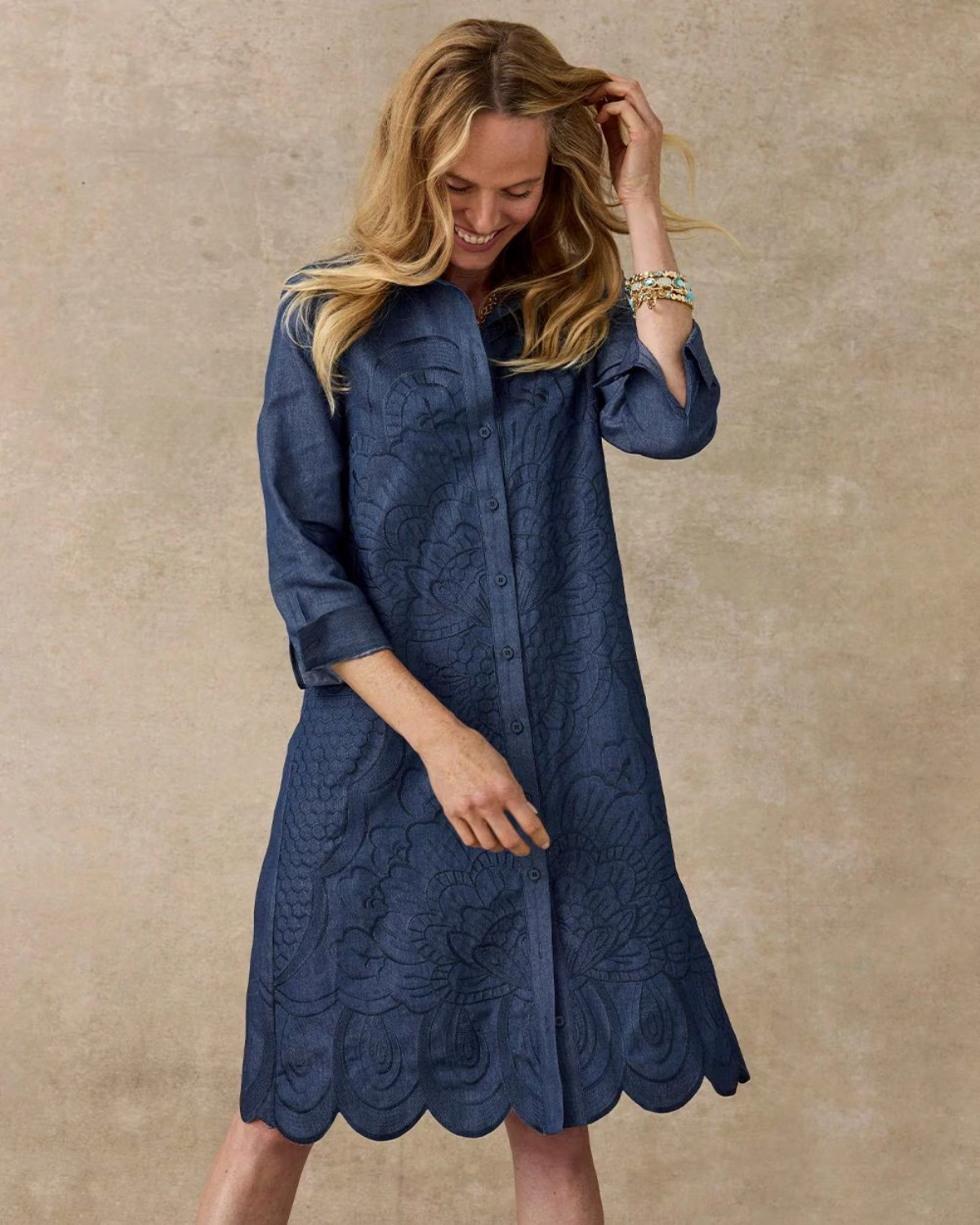
A midi dress with opaque tights and a low ankle boot is the most reliable fall pairing there is. Keep the boot and the tights in the same tonal family so the leg reads as one line.
Frequently Asked Questions
What heel height is most comfortable for all-day wear?
Between one and two and a half inches on a block or wedge base. Completely flat isn't automatically the most comfortable — a slight lift takes pressure off the heel.
Do ankle boots work if I have wide feet?
Yes, with a side zip or an elastic gore panel and a soft upper. Avoid stiff, structured boots that can't give at all.
Should I size up for thick socks?
Only if the boot is close-fitting to begin with. A half size up with a thin sock usually means a loose boot that rubs at the heel.
How long should a new boot take to break in?
A few wears around the house. A boot that hurts on day one in the arch or across the toes generally won't stop.
Start Here
Browse boots and flats for the season, or read our guide to comfortable walking shoes if you're on your feet most days.
Leave a comment
This site is protected by hCaptcha and the hCaptcha Privacy Policy and Terms of Service apply.